October 8, 2026
Windows affect much more than a home's appearance. They influence indoor comfort, natural light, energy use, exterior style, and how effectively the interior is separated from outdoor conditions. When older windows become drafty, inefficient, or difficult to operate, replacing them with energy-efficient options can provide benefits that homeowners notice throughout the year.
Modern window installations are designed with energy performance in mind, making them an appealing improvement for homeowners seeking greater comfort and efficiency. According to a 2025 survey by This Old House, nearly half of respondents said they saved at least $50 per month on energy bills after replacing standard windows with energy-efficient models, and the largest group reported monthly savings between $50 and $75. While results vary by property, the potential benefits can extend well beyond utility expenses.
Improving Household Energy Efficiency
Reducing Unwanted Heat Transfer
Windows represent part of the barrier separating conditioned indoor spaces from outdoor temperatures. Older or inefficient windows can allow greater heat transfer, potentially making it more difficult to maintain comfortable conditions. Energy-efficient products are designed to improve this separation and reduce unnecessary energy loss.
Reducing Heating Demands
During colder weather, homeowners want heated indoor air to remain inside. Energy-efficient window installations can help reduce heat loss through windows, supporting the heating system's efforts to maintain the desired indoor temperature without unnecessarily compensating for inefficient openings.
Reducing Cooling Demands
Hot weather creates the opposite challenge. Outdoor heat can increase cooling demands, particularly when windows aren't performing effectively. Energy-conscious window products can help limit unwanted heat transfer and support a more efficient approach to maintaining comfortable interior temperatures.
Reducing Energy Waste
Energy efficiency is partly about making better use of the heating and cooling already being produced. Improving inefficient windows can address areas where conditioned air and outdoor temperatures interact, helping the home retain more of the comfort its mechanical systems create.
Improving Indoor Comfort
Creating More Consistent Temperatures
Rooms near inefficient windows can sometimes feel noticeably warmer or cooler than other parts of the home. Improving window performance can help reduce these temperature differences, creating interior spaces that feel more consistent throughout changing seasons.
Creating Fewer Draft Concerns
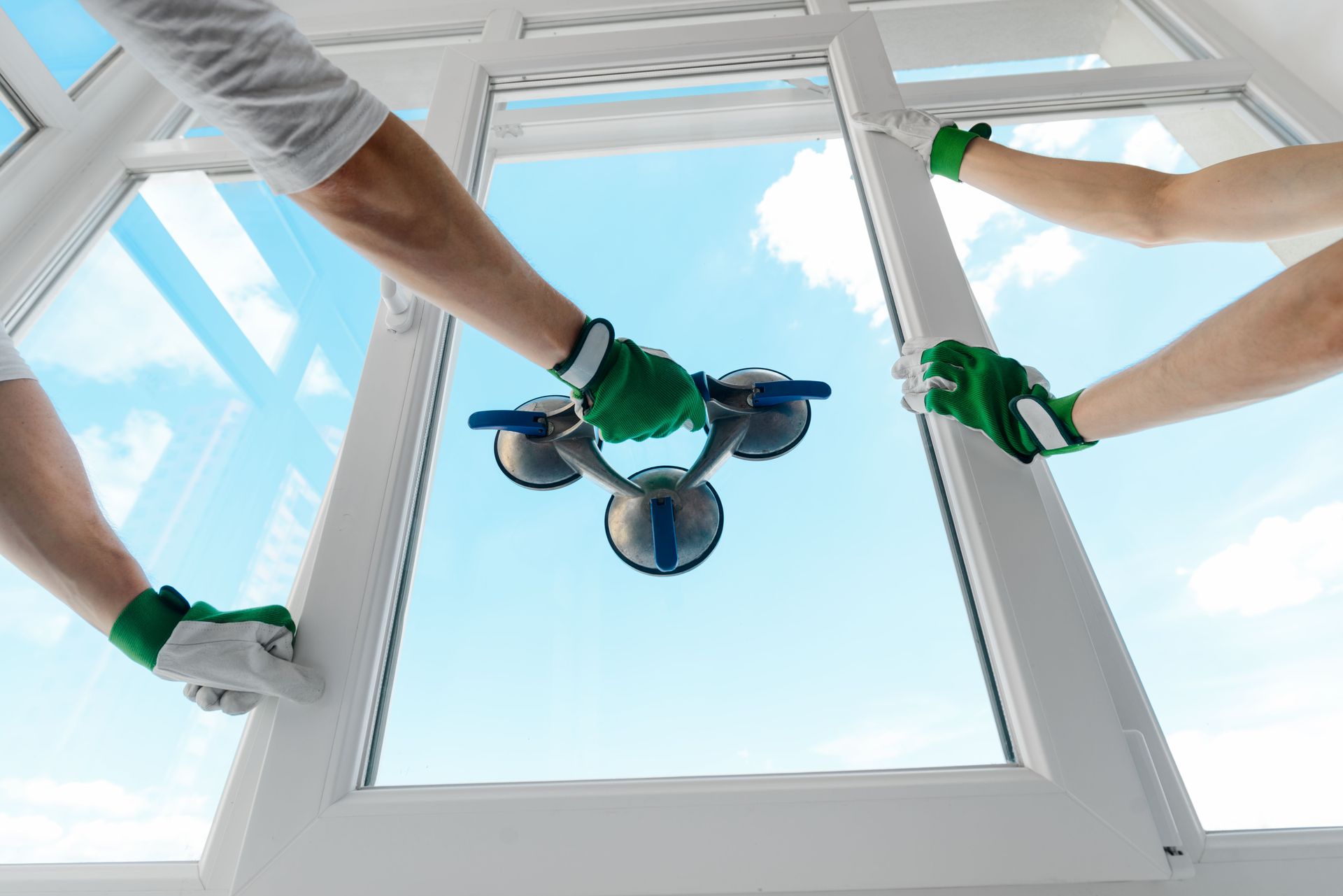
Drafts around aging windows can make otherwise comfortable rooms unpleasant, especially during colder months. Professional window installations can replace deteriorated or inefficient units with products designed to provide a more effective barrier between indoor and outdoor environments.
Creating More Usable Spaces
A room that's uncomfortable near its windows may not be used as fully as homeowners would prefer. Seating areas, desks, and other furnishings positioned near drafty openings can become less appealing. Better-performing windows can help make the room more comfortable for everyday activities.
Creating Year-Round Benefits
Energy-efficient windows aren't exclusively a winter or summer improvement. Because they help manage heat transfer between indoor and outdoor environments, their benefits can remain relevant throughout the year as weather and household heating or cooling needs change.
Improving Monthly Energy Management
Supporting Heating Efficiency
A home's heating system works to maintain the temperature selected by the household. When windows allow unnecessary heat loss, maintaining that temperature can require additional energy. More efficient windows can support the home's broader energy-saving efforts during colder periods.
Supporting Cooling Efficiency
Air conditioning represents another major component of household energy use. Energy-efficient window installations can help the home resist unwanted outdoor heat, complementing the work of the cooling system and potentially contributing to more manageable energy consumption.
Supporting Long-Term Savings
Energy savings aren't identical for every household. Climate, window condition, home design, energy prices, and HVAC performance can all influence results. However, replacing inefficient windows can address one part of the home's overall energy performance and potentially provide financial benefits over time.
Supporting Smarter Home Improvements
Homeowners often evaluate improvements according to both immediate benefits and future usefulness. Energy-efficient windows can provide a visible update while also addressing practical concerns involving comfort and energy consumption, allowing one project to serve several household priorities.
Improving the Home's Interior Environment
Managing Outdoor Temperature Effects
Windows are directly exposed to changing outdoor conditions throughout the year. Their performance influences how strongly those changes are felt indoors. Replacing older units can create a more effective boundary and reduce the impact that outdoor temperature extremes have on nearby living areas.
Managing Sunlight Exposure
Natural light is one of the most appealing features windows provide, but sunlight can also contribute to heat gain and affect interior materials. Different energy-efficient products offer performance characteristics that can help homeowners balance natural light with other priorities.
Managing Everyday Comfort
Professional window installations can influence how a room feels during normal daily use. When drafts and temperature variations become less noticeable, homeowners may find spaces near windows more comfortable for reading, working, dining, relaxing, or spending time with family.
Managing Seasonal Changes
Homes experience different demands as seasons change. A window that performs effectively during both hot and cold conditions contributes to a more adaptable interior environment. This versatility is one reason energy efficiency can be an important consideration when choosing replacement products.
Improving the Home's Appearance
Refreshing Exterior Style
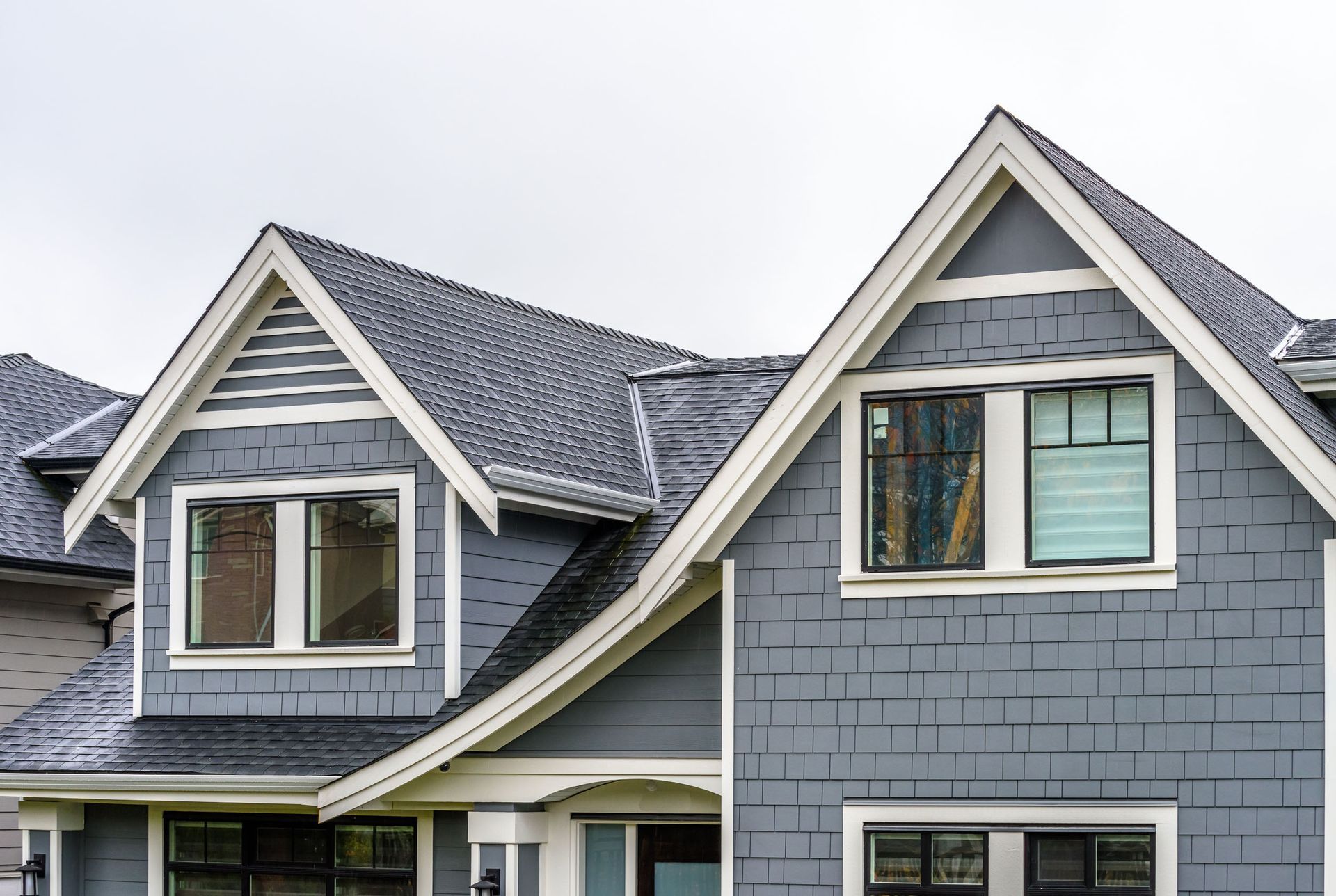
Windows are prominent architectural features visible from outside the home. Aging frames or outdated designs can affect the overall appearance of the property. Replacement windows can provide a cleaner, more current look while delivering practical performance improvements at the same time.
Refreshing Interior Views
Windows are equally visible from inside. Frames, glass, hardware, and surrounding finishes contribute to how a room looks. New window installations can refresh these areas and complement other interior updates without requiring homeowners to change the fundamental character of the space.
Refreshing Architectural Details
Different homes call for different window styles. Selecting products that complement existing architectural features can preserve the home's visual identity while updating its performance. Professional guidance can help homeowners consider both aesthetic and functional priorities when evaluating replacement options.
Refreshing Overall Impressions
A coordinated set of replacement windows can create a noticeable visual improvement across the property. Because windows appear throughout the home's exterior and interior, updating them can produce a more consistent appearance than improvements limited to a single room or feature.
Improving Long-Term Home Performance
Replacing Aging Components
Windows experience years of weather exposure, temperature changes, opening, closing, and general wear. Eventually, older units can become less effective or convenient. Replacing them gives homeowners an opportunity to address age-related concerns while selecting products designed around modern performance expectations.
Replacing Difficult Operation
Windows should be practical to use as well as attractive. Units that stick, resist movement, or otherwise become difficult to operate can create everyday frustration. Professional replacement can restore convenient operation while introducing energy-efficient features.
Replacing Outdated Performance
Older windows may have been manufactured before today's energy-efficient technologies became widely available. Modern window installations can offer updated glass, frames, and other features designed to improve performance, giving homeowners an opportunity to bring an important part of the building envelope up to date.
Replacing With Future Needs in Mind
Window replacement is generally a long-term home improvement. Considering efficiency, appearance, operation, and durability together can help homeowners choose products suited to their current needs while providing practical value for years to come.
Changing to energy-efficient windows can benefit a home in several interconnected ways. Improved energy performance can support heating and cooling efficiency, while reduced drafts and temperature variations can make living areas more comfortable. New windows can also refresh the interior and exterior appearance while replacing aging products with options designed around current performance expectations.
If aging or inefficient windows are affecting your home's comfort, appearance, or energy performance, contact Bill's Glass Company today. Our professionals can discuss energy-efficient window installations that complement your property and help you enjoy greater comfort, functionality, and efficiency throughout the year.